
How to Preserve and Preserve Your Air Jordan Collection
You shelled out the dollars, sat through the release raffles, potentially even lined up outside a store at dawn — and now you have a increasing Air Jordan collection that is worthy of more than a mess on the closet floor. Correct care is the line between a pair that remains factory-fresh in five years and one that deteriorates, turns yellow, or deforms beyond saving. Whether you own three pairs or thirty, learning the foes of shoe lifespan — moisture, warmth, sunlight, and oxygen damage — will protect your investment and preserve your collection looking their best. This walkthrough walks you through everything from foundational care fundamentals to professional preservation techniques used by dedicated collectors. Look after your Air Jordans properly, and they will compensate you with a decade of wearability and excellent resale value. Let us break down the nitty-gritty so your collection keeps perfect for 2026 and well beyond.
Discovering What Ruins Sneakers Over Time
Overlooking your Air Jordans while they sit in storage is the most significant danger to them — not wearing them. Polyurethane midsoles start to break down through moisture damage when exposed to moisture over long durations, which is why unworn pairs from the 1990s frequently disintegrate nike air jordan entirely the moment someone laces up them. Sunlight from glass panes hastens discoloration on white-rubber outsoles outsoles and see-through transparent soles, most devastatingly destructive on models like the Air Jordan 11 Concord. Temp shifts result in glues to weaken, triggering outsole separation where the sole separates from the upper. Even the boxes themselves factor in to decline — acidity in normal Nike cardboard can tint leather and mesh over many years of resting against. Understanding these hazards delivers you the knowledge base to create a care approach that intentionally battles each one.
The Ideal Storage Setup
Temperature and humidity monitoring establishes the basis of any dedicated shoe care plan. Aim to store your collection between 60 and 72 degrees Fahrenheit with ambient humidity between 40 and 50 percent. A affordable electronic humidity monitor, found for under $15, lets you watch parameters and flags you if moisture moves into risky range. Below-ground areas and unheated garages are the worst spots because they undergo the widest temp fluctuations and contain water vapor that hastens midsole degradation in PU foam. A AC-equipped area, dedicated room, or designated closet with consistent air movement makes the ideal storage space for any collection. If you live in a moisture-heavy region like the southern United States or Southeast Asia, using a portable dehumidifier takes just a few dollars per month in power and supplies excellent coverage. Dark spaces are also preferable since eliminating UV exposure ensures soles clear and stops leather from dessicating.
Key Care Items
| Supply | Purpose | Approximate Cost | Replacement Frequency |
|---|---|---|---|
| Silica gel packets | Remove humidity, protect against foam breakdown | $8–$12 per 50-pack | Each 3–6 months |
| Acid-free tissue paper | Keep structure, prevent gravity creases | $10–$15 per 100 sheets | Annually |
| Clear drop-front boxes | Dust protection, visibility, stackability | $6–$10 each | 5+ years |
| Cedar shoe trees | Absorb odor and moisture, hold shape | $15–$25 per pair | 2–3 years |
| Digital hygrometer | Monitor humidity and temperature | $10–$15 | Swap battery once a year |
| UV-blocking window film | Shield against UV-caused yellowing | $20–$40 per roll | 3–5 years |
Storage Container Solutions
The container you decide on is important more than most beginners understand, because it actively shapes the environment around your shoes. Factory Nike cardboard boxes give little shielding — pH-imbalanced paperboard that provides no barrier against dampness or dust. Transparent front-drop polypropylene containers have become the go-to choice among sneakerheads because they are pH-neutral, stackable, and enable you display your collection without pulling off each container. For maximum protection, vacuum-sealed containers with silica gel packets inside continuously absorb leftover humidity and preserve reduced moisture around each pair. Sealed vacuum bags perform for extended storage but can compress padding and alter shoe shape if left for extended periods. Wooden shoe armoires with transparent doors supply an handsome presentation that also stops UV and dust. Whatever container you go with, never leave Air Jordans in ziplock bags without air circulation, as stagnant moisture worsens discoloration and breeds mildew spread.
Packing, Holding Form, and Encasing Strategies
Before placing any pair into storage, dedicate a moment to condition them well. Discard the stock tissue paper inside new Air Jordans and replace it with acid-free tissue, as factory paper may carry acids that migrate onto the lining. Fill the toebox well but not excessively to preserve shape and avoid permanent creases from weight over a long time. Cedar inserts are excellent for regularly rocked pairs since cedar on its own pulls sweat and stink, but they can be overly heavy for low-weight models like the Air Jordan 1 Low. For premium pairs, encase the shoe lightly in archival tissue before putting it into the container to block surface-to-surface touching. Leave shoes with relaxed laces or pull out laces totally to lower tension on eyelets and tongue material. If you own patent Jordans like the Air Jordan 11, wrapping them separately blocks the smooth finish from clinging to nearby items.
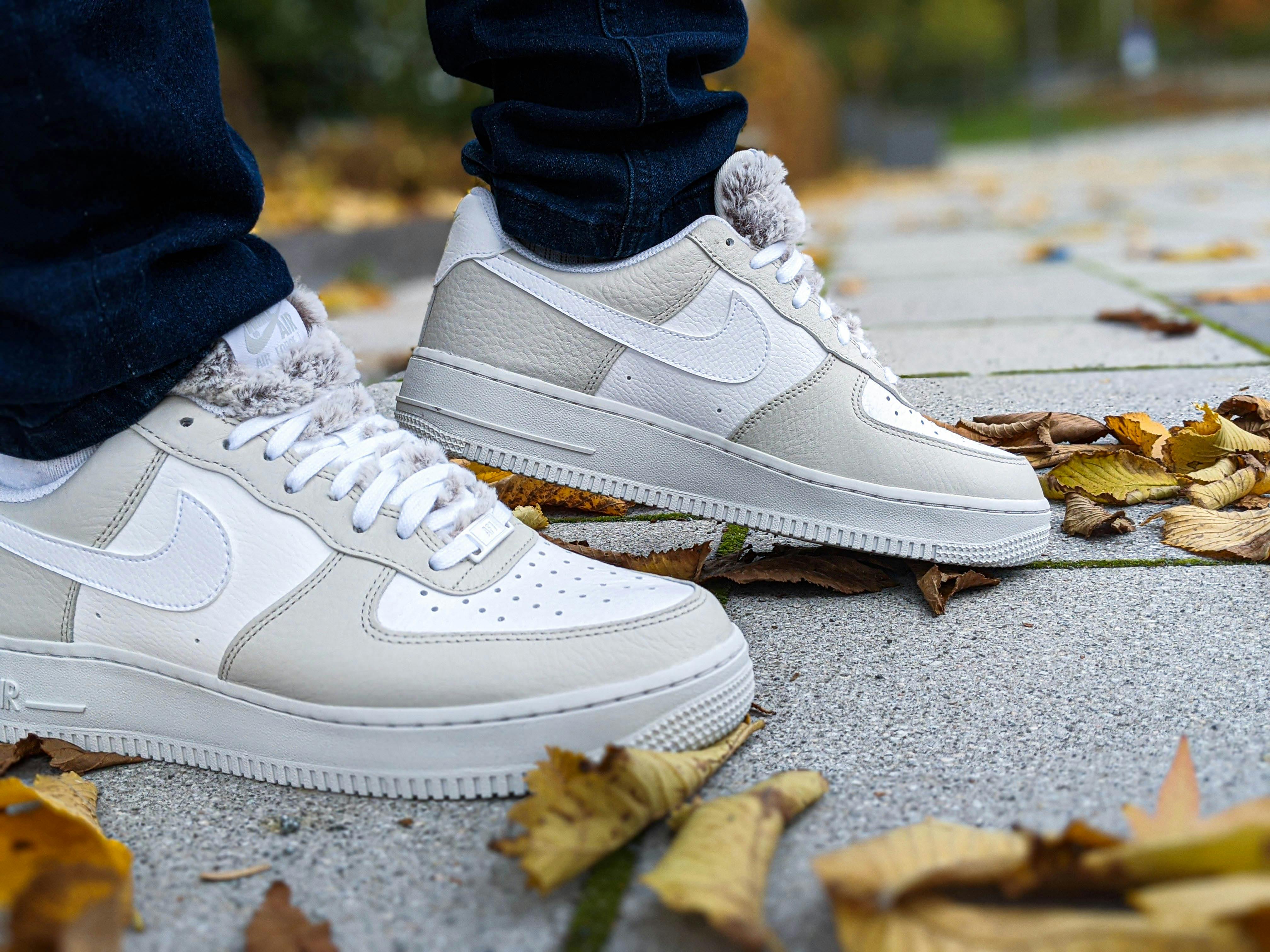
Fixing Discolored Soles
Yellowing is the most widespread aesthetic issue sneakerheads face, chiefly on pairs with clear icy soles or white rubber midsole areas. The primary cause is air exposure — a molecular process between the rubber and O2 that generates a yellow tone over time. Storing shoes with desiccant in hermetic containers noticeably delays the oxidation process by limiting exposure to dampness and outside air. If discoloration has already started, formulas like Salon Care 40 Volume Creme Developer combined with ultraviolet light irradiation can reverse moderate discoloration through “sole sauce treatment.” Expert shoe restoration shops charge between $50 and $150 for oxidation reversal using commercial-grade tools. Shops like Kicks on the Court run postal renewal including yellowing treatment, intensive cleaning, and protective coating addition.
Extended Storage for Investment Pairs
The storage method must be substantially more rigorous if you are holding Air Jordans exclusively as an investment. Leave the pair completely deadstock — shoes, laces, and all included items unworn inside the factory box with retail tags and spare laces. Set the original box inside a outer airtight container with four to six silica gel sachets to limit oxidation and moisture contact. Position the container in the most light-free, most temperature-stable zone in your home, optimally an central closet away from exterior walls where heat changes most. Inspect held pairs every three to four months, swapping desiccant and checking for discoloration, bond weakening, or mildew. Photograph the condition with date-marked photographs as records for eventual aftermarket listings on platforms like GOAT or StockX. Adhering to this system, sneakerheads have kept pairs in genuine deadstock quality for over a decade, retaining full resale potential.
Typical Pitfalls to Watch Out For
Even the most seasoned collectors now and then make preservation blunders that cost a lot of cash in destroyed collection pieces. Leaving shoes near heating vents like space heaters or hot attics where temperatures exceed 110 degrees Fahrenheit results in adhesive to degrade and soles to bend irreversibly. Showcasing Air Jordans on open shelving without UV protection subjects them to constant photo-degradation that yellows soles within a matter of months. Using recycled newspaper to pack shoes leaves newspaper ink onto the lining and gives no moisture barrier. Placing weight on storage boxes flattens their shape and leaves indelible impressions in the front of the shoe. Keeping shoes while still not fully dry from moisture or perspiration introduces humidity immediately into a closed environment, establishing textbook situations for fungal growth. Most importantly, the “store it and forget it” strategy is the surest path to regret, because even the most carefully designed storage arrangement requires occasional checking.